
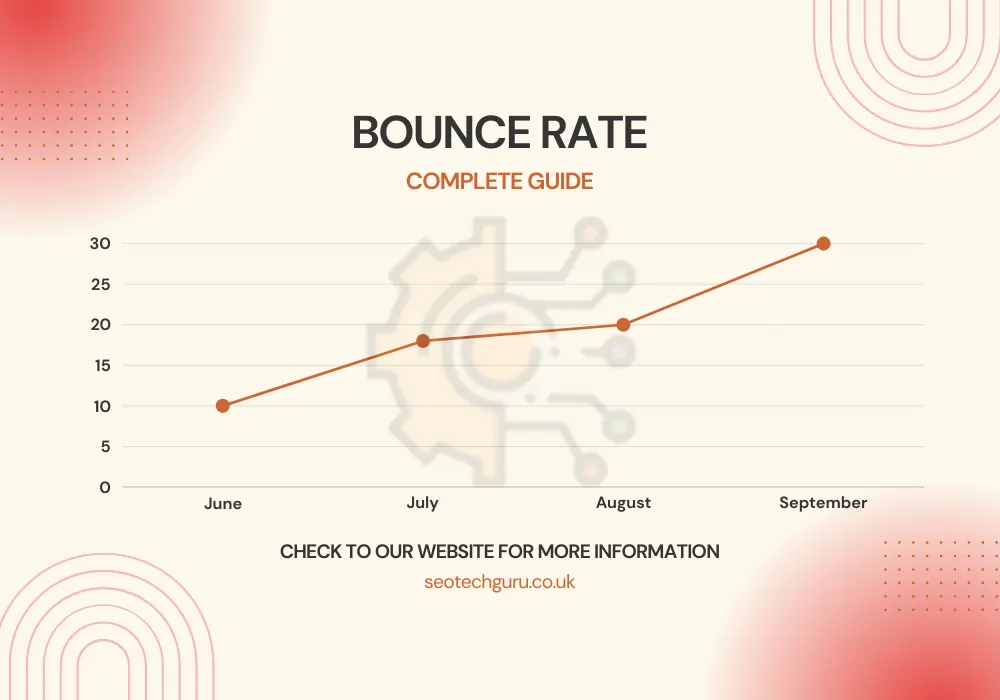
Bounce rate is a key metric that measures the percentage of visitors who leave a website without interacting with any other pages. It is an important metric for evaluating the success of a website and can provide insights into user behavior and website performance. Understanding bounce rate and how to interpret and analyze it can help website owners make informed decisions to improve user engagement and overall website performance.
Key Takeaways
- Bounce rate measures the percentage of visitors who leave a website without interacting with any other pages.
- A high bounce rate can indicate issues with website design, page load speed, or content relevance.
- Benchmarking bounce rates against industry standards can provide context for evaluation.
- Improving website design, optimizing page load speed, and enhancing content relevance can help reduce bounce rates.
- Segmenting bounce rate, identifying high bounce rate pages, and analyzing bounce rate trends can provide insights for improvement.
What is Bounce Rate?
Definition of Bounce Rate
Bounce rate is a metric that measures the percentage of visitors who leave a website after viewing only one page. It indicates the level of engagement and relevance of the website’s content to the visitors. A high bounce rate can be an indication that the website is not meeting the expectations of the visitors or that the content is not relevant to their needs. It is important for website owners to understand and monitor their bounce rate as it can provide valuable insights into the effectiveness of their SEO strategies and the overall user experience.
When it comes to SEO services in Glasgow, understanding and improving bounce rate is crucial. By analyzing the bounce rate, website owners can identify areas for improvement and make necessary changes to enhance user engagement and increase conversions. Implementing effective strategies to reduce bounce rate can lead to higher rankings in search engine results and improved website success.
Importance of Bounce Rate
Bounce rate is a crucial metric for website success. It provides valuable insights into how visitors interact with your website and whether they find the content relevant and engaging. A high bounce rate indicates that visitors are leaving your website without exploring further, which can be a sign of poor user experience or irrelevant content.
Understanding the importance of bounce rate allows you to identify areas for improvement and make data-driven decisions to optimize your website. By analyzing the factors that contribute to a high bounce rate, you can take steps to enhance user experience, improve content relevance, and ultimately increase conversions.
To effectively measure and interpret bounce rate, it is essential to benchmark your website’s performance against industry standards. Comparing your bounce rate to similar websites in your industry can help you determine whether your website is performing well or if there is room for improvement.
In summary, monitoring and analyzing bounce rate is crucial for website success. It provides valuable insights, helps identify areas for improvement, and allows you to make data-driven decisions to optimize user experience and increase conversions.
Factors Affecting Bounce Rate
There are several factors that can affect the bounce rate of a website:
- Website Design: A poorly designed website with confusing navigation and cluttered layout can lead to a high bounce rate. It is important to have a clean and user-friendly design that makes it easy for visitors to find what they are looking for.
- Page Load Speed: Slow loading pages can frustrate visitors and cause them to leave the website before it fully loads. Optimizing page load speed is crucial in reducing bounce rate. This can be done by minimizing file sizes, optimizing images, and using caching techniques.
- Content Relevance: If the content on a website is not relevant to what the visitor is looking for, they are more likely to bounce. It is important to provide high-quality and relevant content that meets the needs of the target audience.
Tip: Conduct user testing and gather feedback to identify any usability issues and improve the overall user experience.
Measuring Bounce Rate
How to Calculate Bounce Rate
To calculate the bounce rate of a website, you need to divide the number of single-page sessions by the total number of sessions and multiply the result by 100. The formula for calculating bounce rate is as follows:
Bounce Rate = (Number of Single-Page Sessions / Total Number of Sessions) * 100
Here’s an example to illustrate the calculation:
| Number of Single-Page Sessions | Total Number of Sessions | Bounce Rate |
|---|---|---|
| 500 | 1000 | 50% |
By using this formula, you can determine the percentage of visitors who leave your website after viewing only one page. It provides valuable insights into the engagement and effectiveness of your website’s content and design.
Remember, a lower bounce rate indicates that visitors are more engaged and are exploring multiple pages on your website.
Benchmarking Bounce Rate
When benchmarking bounce rate, it is important to compare your website’s performance to industry standards and similar websites in your niche. This allows you to gain insights into how well your website is performing and identify areas for improvement.
One way to benchmark bounce rate is by using industry benchmarks. These benchmarks provide a reference point for comparing your website’s bounce rate to the average bounce rate of similar websites in your industry. By comparing your bounce rate to the industry average, you can determine if your website is performing better or worse than your competitors.
Another way to benchmark bounce rate is by comparing it to your own historical data. By analyzing the trend of your website’s bounce rate over time, you can identify any significant changes or patterns. For example, if you notice a sudden increase in bounce rate after making changes to your website, it may indicate that the changes had a negative impact on user engagement.
It is important to note that benchmarking bounce rate should not be the sole focus of your analysis. It should be used in conjunction with other metrics and qualitative data to get a comprehensive understanding of your website’s performance.
Interpreting Bounce Rate
Interpreting bounce rate is crucial for understanding user behavior on your website. It provides insights into how engaging your content is and whether visitors are finding what they are looking for. Here are some key points to consider when interpreting bounce rate:
- Bounce Rate Range: A bounce rate below 40% is generally considered good, while a rate above 70% may indicate issues with user experience or content relevance.
- Comparison to Industry Benchmarks: Compare your bounce rate to industry benchmarks to see how you stack up against competitors and identify areas for improvement.
- Segmentation: Segment your bounce rate by different dimensions such as traffic source, device type, or landing page to gain deeper insights into specific user behaviors.
Tip: A high bounce rate may indicate that your website is not meeting visitor expectations. Consider optimizing your website design, improving page load speed, and enhancing content relevance to reduce bounce rate.
Reducing Bounce Rate
Improving Website Design
When it comes to reducing bounce rates, improving website design plays a crucial role. A well-designed website not only enhances user experience but also encourages visitors to stay longer and explore more. Here are some key factors to consider:
- Responsive Design: Ensure your website is mobile-friendly and adapts to different screen sizes. This will provide a seamless experience for users accessing your site from various devices.
- Intuitive Navigation: Make it easy for visitors to find what they are looking for by organizing your website’s navigation in a logical and user-friendly manner.
- Clear Call-to-Action: Use clear and compelling calls-to-action to guide visitors towards desired actions, such as making a purchase or filling out a form.
Implementing these design principles can significantly improve user engagement and reduce bounce rate.
Optimizing Page Load Speed
Optimizing the page load speed is crucial for reducing bounce rate and improving user experience. Here are some strategies to enhance the speed of your website:
- Minimize HTTP Requests: Reduce the number of HTTP requests by combining multiple files into one and using CSS sprites.
- Enable Caching: Implement browser caching to store static resources and reduce the need for repeated downloads.
- Optimize Images: Compress and resize images to reduce their file size without compromising quality.
- Minify CSS and JavaScript: Remove unnecessary characters and spaces from CSS and JavaScript files to reduce their size.
Tip: Use tools like PageSpeed Insights or GTmetrix to analyze your website’s performance and identify areas for improvement.
By implementing these strategies, you can significantly improve the page load speed and decrease the bounce rate of your website.
Enhancing Content Relevance
To enhance content relevance and reduce bounce rate, it is crucial to focus on providing valuable and engaging information to your website visitors. Here are some strategies to consider:
- Keyword Optimization: Conduct thorough keyword research and incorporate relevant keywords naturally throughout your content to improve search engine visibility.
- User-Centric Content: Create content that addresses the needs and interests of your target audience. Understand their pain points and provide solutions that are informative and actionable.
- Internal Linking: Include internal links within your content to guide users to related pages on your website. This not only improves navigation but also encourages users to explore more of your content.
Tip: Regularly update and refresh your content to ensure it remains relevant and up-to-date.
By implementing these strategies, you can enhance the relevance of your content and provide a better user experience, ultimately reducing bounce rate.
Analyzing Bounce Rate
Segmenting Bounce Rate
Segmenting bounce rate allows you to analyze the behavior of different user groups on your website. By dividing your audience into segments based on various criteria, you can gain valuable insights into why certain segments have a higher bounce rate than others.
One way to segment bounce rate is by traffic source. By analyzing bounce rate based on where your traffic is coming from, such as organic search, social media, or referral links, you can identify which sources are driving high-quality traffic that engages with your website.
Another way to segment bounce rate is by device type. Mobile users may have different browsing habits and expectations compared to desktop users, so analyzing bounce rate separately for each device type can help you identify any usability issues specific to mobile or desktop.
Segmenting bounce rate can also be done based on landing pages. By analyzing bounce rate for different landing pages, you can identify which pages are not effectively engaging visitors and make improvements to increase user engagement and reduce bounce rate.
Identifying High Bounce Rate Pages
When analyzing bounce rate, it is crucial to identify the pages on your website that have a high bounce rate. These are the pages where visitors are leaving your site without taking any further action. By identifying these pages, you can focus your efforts on improving them and reducing bounce rate.
One way to identify high bounce rate pages is by using web analytics tools. These tools provide insights into the behavior of your website visitors, including the bounce rate for each page. Look for pages with a significantly higher bounce rate compared to the average bounce rate of your website.
Another method is to analyze the content and design of the pages. High bounce rate pages may have poor content, confusing navigation, or slow loading times. By reviewing the content and design of these pages, you can make improvements to engage visitors and encourage them to stay on your site.
In addition, consider the source of traffic for these pages. Are visitors coming from a specific source or campaign? Understanding the source of traffic can help you identify any issues with targeting or messaging that may be contributing to a high bounce rate.
To summarize, identifying high bounce rate pages is an essential step in improving website performance. By using web analytics tools, analyzing content and design, and considering the source of traffic, you can take targeted actions to reduce bounce rate and increase visitor engagement.
Analyzing Bounce Rate Trends
Analyzing bounce rate trends is crucial for understanding user behavior and making informed decisions to improve website performance. By examining how bounce rate fluctuates over time, you can identify patterns and trends that provide valuable insights.
One effective way to analyze bounce rate trends is by segmenting the data based on different dimensions. This allows you to compare bounce rates across various user segments, such as traffic sources, device types, or demographics. By doing so, you can uncover specific areas where bounce rates are higher and take targeted actions to address those issues.
Another useful approach is to identify high bounce rate pages. These are the pages on your website that have a significantly higher bounce rate compared to the average. By analyzing the content, design, and user experience of these pages, you can pinpoint potential reasons for the high bounce rate and implement improvements.
It’s important to regularly monitor and analyze bounce rate trends to track the effectiveness of your optimization efforts. By observing how bounce rate changes in response to website changes or marketing campaigns, you can evaluate the impact of your actions and make data-driven decisions to further optimize your website.
Analyzing bounce rate is an essential aspect of understanding user behavior on your website. By analyzing bounce rate, you can gain insights into how engaging your content is and identify areas for improvement. A high bounce rate may indicate that visitors are not finding what they are looking for or that your website is not meeting their expectations. To reduce bounce rate, consider optimizing your website’s loading speed, improving the user experience, and providing relevant and valuable content. If you want to learn more about analyzing bounce rate and improving your website’s performance, visit Contact Us – SEO & Tech Guru today!
Conclusion
In conclusion, understanding bounce rate is crucial for measuring the success of a website. By analyzing this key metric, website owners can gain valuable insights into user behavior and make informed decisions to improve user experience and increase conversions. It is important to remember that a high bounce rate may indicate issues with website design, content relevance, or user engagement, while a low bounce rate may suggest that visitors are finding what they are looking for and are more likely to engage with the website. Therefore, monitoring and optimizing bounce rate should be a priority for website owners who want to achieve long-term success.
Frequently Asked Questions
What is the bounce rate?
Bounce rate is a metric that measures the percentage of visitors who leave a website after viewing only one page.
Why is bounce rate important?
Bounce rate is important because it provides insights into the effectiveness of a website in engaging visitors and encouraging them to explore further.
What factors can affect bounce rate?
Several factors can affect bounce rate, including website design, page load speed, content relevance, and user experience.
How do you calculate bounce rate?
Bounce rate is calculated by dividing the number of single-page visits by the total number of visits and multiplying by 100.
What is considered a good bounce rate?
A good bounce rate varies depending on the type of website and industry, but generally, a lower bounce rate is considered better.
How can I reduce bounce rate on my website?
To reduce bounce rate, you can improve website design, optimize page load speed, and create relevant and engaging content.