
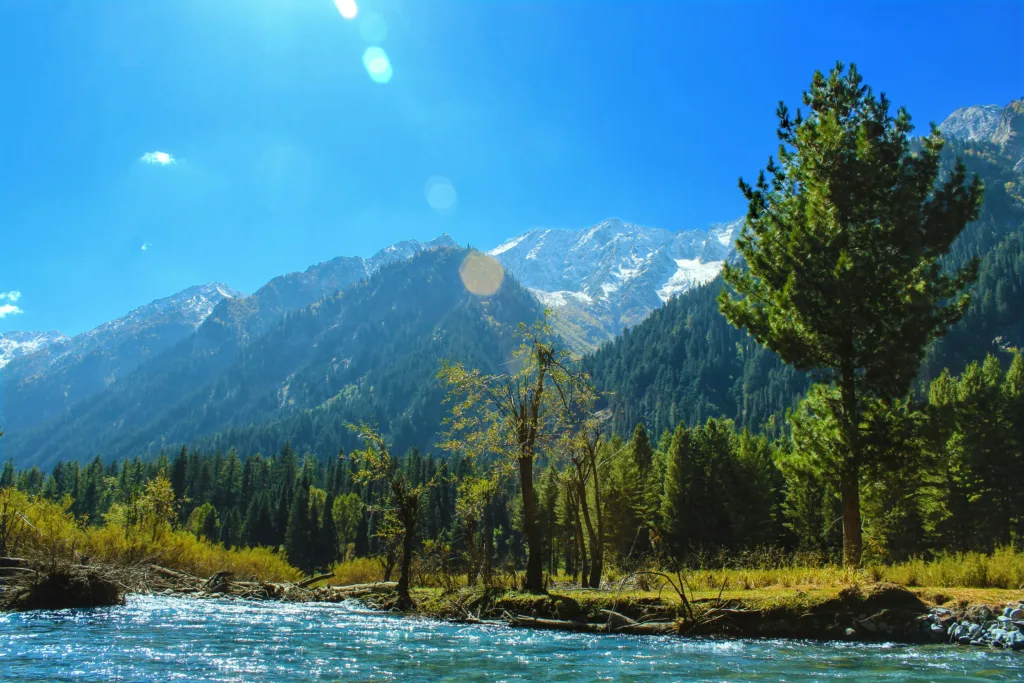
Nestled in the upper reaches of Pakistan, Kumrat Valley stands as an unspoiled gem, offering a serene escape into nature’s embrace. This comprehensive guide to Kumrat Valley tours unveils the valley’s breathtaking landscapes, rich biodiversity, and vibrant cultural heritage, ensuring an unforgettable journey for adventurers and nature lovers alike. From planning your trip to exploring the valley’s heart and engaging in sustainable tourism, this guide covers all you need to know to experience the magic of Kumrat Valley.
Key Takeaways
- Kumrat Valley is a hidden paradise in Pakistan, known for its enchanting landscapes and rich cultural tapestry.
- The best time to visit Kumrat Valley is during the summer months, when the weather is most favorable for exploration.
- Visitors can engage in a variety of activities, including trekking, camping, and river rafting, to fully experience the valley’s natural beauty.
- Accommodations in Kumrat Valley range from camping sites to guest houses, offering a genuine taste of local hospitality and cuisine.
- Sustainable tourism practices are crucial for preserving Kumrat Valley’s natural beauty and supporting local communities.
Unveiling Kumrat Valley: A Hidden Paradise
The Enchanting Landscape
Kumrat Valley, nestled in the Upper Dir District of Khyber Pakhtunkhwa, Pakistan, is a testament to nature’s artistry. Its landscape is a mesmerizing blend of towering trees, lush green meadows, and crystal-clear rivers that carve through the valley, creating a serene and almost ethereal atmosphere.
The valley’s beauty is magnified by the Panjkora River, flowing gracefully through its heart, surrounded by dense forests and majestic mountains. This natural masterpiece is not just a sight to behold but a sanctuary for those seeking tranquility and a deep connection with nature.
The enchanting landscape of Kumrat Valley is a paradise for photographers and nature enthusiasts alike, offering countless opportunities to capture the untouched beauty of this hidden gem.
Key attractions include:
- Jahaz Banda, a large meadow known for its breathtaking views
- Katora Lake, a high altitude lake that mesmerizes visitors with its crystal-clear waters
- The wooden suspension bridges, architectural marvels that blend seamlessly with the natural surroundings

Flora and Fauna of Kumrat
Kumrat Valley is a haven for nature enthusiasts, boasting a rich tapestry of biodiversity. The valley is home to dense forests of deodar trees, providing a lush green canopy that stretches as far as the eye can see. The wildlife in Kumrat Valley is equally impressive, with a variety of species that make this area their habitat.
The serene environment and untouched natural beauty make Kumrat Valley a perfect spot for wildlife photography and nature walks.
- Deodar trees
- Snow leopards
- Black bears
- Musk deer
- Monal pheasant
The flora and fauna of Kumrat Valley not only contribute to its breathtaking landscape but also play a crucial role in maintaining the ecological balance of the region. It’s a reminder of the importance of preserving these natural wonders for future generations.
The Cultural Tapestry
Kumrat Valley is not just a scenic beauty; it’s a vibrant tapestry of rich cultural heritage. The valley is home to diverse communities, each contributing to the unique cultural mosaic that defines this region. The traditional music and dance forms are particularly enchanting, offering a glimpse into the soul of Kumrat’s people.
Festivals play a crucial role in the cultural landscape of Kumrat Valley, marking seasons, harvests, and religious occasions. Here’s a brief overview of some notable festivals:
- Shandur Polo Festival: A celebration of traditional polo at the highest polo ground in the world.
- Chilam Joshi: A colorful festival that marks the arrival of spring with traditional dances, music, and attire.
- Uchal Festival: A harvest festival celebrated with vibrant dances and delicious local cuisine.
The intricate handicrafts of Kumrat Valley, including handwoven shawls and wooden artifacts, are a testament to the skilled craftsmanship of the local artisans.
The hospitality of the local people is legendary, making every visitor feel like a part of their community. Engaging with the locals provides an unparalleled opportunity to delve deeper into the cultural fabric of Kumrat Valley, enriching your travel experience beyond the visual splendors.
Planning Your Journey to Kumrat Valley
Best Time to Visit
The best time to visit Kumrat Valley is between June and September, when the weather is most favorable for exploring its natural beauty. During these months, the valley is accessible, and the landscape is at its most vibrant, making it an ideal time for tourists to experience the enchanting scenery and outdoor activities Kumrat has to offer.
The peak season for visiting Kumrat Valley is July and August. This is when the valley is busiest, with tourists flocking to enjoy the pleasant weather and the lush greenery. However, if you prefer a more serene experience, consider visiting in June or September, when there are fewer visitors.
Weather plays a crucial role in planning your trip to Kumrat Valley. Here’s a quick overview of what to expect:
- June to September: Warm days and cool nights, with occasional rainfall.
Remember, the weather in mountainous areas can be unpredictable, so always be prepared for sudden changes.
Choosing the right time to visit can greatly enhance your experience in Kumrat Valley, allowing you to fully immerse yourself in its natural and cultural wonders.
Getting There: Routes and Tips
Reaching Kumrat Valley requires a bit of planning, but the journey is part of the adventure. The most common starting point is Islamabad, from where you can either drive or take a bus to Dir, followed by a jeep ride into the valley. The journey from Islamabad to Dir can take up to 7 hours, depending on traffic and weather conditions. Hiace for rent in islamabad to Kumrat valley start from 7000
Remember, the road to Kumrat is rugged and can be challenging. It’s essential to ensure your vehicle is well-prepared for the journey.
Here’s a quick guide on the routes and tips for a smooth travel experience:
- Start early to avoid heavy traffic and reach Dir by afternoon.
- Rent a 4×4 jeep in Dir for the final leg to Kumrat Valley; this is crucial as the terrain becomes more challenging.
- Keep an eye on the weather forecast; sudden changes can affect travel plans.
For those seeking an alternative route, consider flying into Peshawar and then traveling by road to Dir. This option might save time but requires additional planning for the road transfer.
What to Pack for the Adventure
Packing for your adventure in Kumrat Valley requires careful consideration to ensure you’re well-prepared for the varying conditions. The key to a comfortable journey is layering your clothing to adapt to the changing weather, from chilly mornings to warmer afternoons.
Here’s a basic packing list to get you started:
- Weather-appropriate clothing (thermal layers, waterproof jacket, etc.)
- Sturdy hiking boots
- Sunscreen and sunglasses
- First aid kit
- Flashlight or headlamp
- Map and compass or a GPS device
Remember, it’s essential to pack light but smart, focusing on versatility and necessity.
While the above list covers the basics, consider the length of your stay and the activities you plan to engage in. This might mean adding items like a sleeping bag for camping or additional batteries for your devices. Tailoring your pack to your specific needs will enhance your experience in Kumrat Valley.
Exploring the Heart of Kumrat Valley
Must-Visit Attractions
Kumrat Valley, nestled in the Upper Dir District of Khyber Pakhtunkhwa, Pakistan, is a treasure trove of natural beauty and serene landscapes. Among its many attractions, a few stand out as must-visits for any traveler venturing into this hidden paradise.
- Jahaz Banda: A vast meadow, known for its breathtaking views and the starting point for treks to the surrounding peaks.
- Panjkora River: The lifeline of the valley, ideal for camping and river rafting.
- Katora Lake: A high altitude lake, famous for its crystal-clear waters and picturesque surroundings.
Remember, while exploring these natural wonders, it’s crucial to respect the environment and adhere to local guidelines to preserve the beauty of Kumrat Valley for future generations.
Each of these locations offers a unique experience, from the tranquility of Katora Lake to the adventurous possibilities along the Panjkora River. Whether you’re seeking solitude or adventure, Kumrat Valley’s attractions will not disappoint.
Trekking and Camping Spots
Kumrat Valley offers an unparalleled experience for trekkers and campers alike, with its pristine landscapes and untouched natural beauty. The valley is home to several trekking routes that cater to both beginners and seasoned adventurers. The Jahaz Banda Meadows are a must-visit for anyone looking to immerse themselves in the tranquility of nature.
Jahaz Banda, a large meadow located at an elevation, is renowned for its breathtaking views and serene atmosphere. It serves as an ideal base camp for further exploration.
The best time to embark on a trekking adventure in Kumrat Valley is from May to September, when the weather is most favorable.
Here’s a quick guide to some of the popular trekking and camping spots in the valley:
- Jahaz Banda Meadows
- Katora Lake
- Dojanga
Each location offers a unique experience, from the mystical allure of Katora Lake to the rugged beauty of Dojanga. Embrace the opportunity to connect with nature and discover the untouched beauty of Kumrat Valley.
River Rafting and Other Activities
Kumrat Valley offers more than just breathtaking views; it’s a haven for adventure seekers. River rafting in the Panjkora River is a thrilling experience that attracts enthusiasts from all corners. The river’s varying rapids cater to both beginners and experienced rafters, making it a must-try activity.
Safety is paramount when engaging in river rafting. Ensure you’re equipped with life jackets and are accompanied by a professional guide.
Besides river rafting, Kumrat Valley is also home to a variety of outdoor activities. Here’s a quick list of what you can indulge in:
- Zip-lining across the valley
- Archery in the serene woods
- Horseback riding through the meadows
Each activity offers a unique way to explore the valley’s natural beauty and immerse yourself in its tranquil environment. Whether you’re seeking an adrenaline rush or a peaceful retreat, Kumrat Valley has something for everyone.

Staying in Kumrat Valley: Accommodations and Hospitality
Choosing the Right Lodging
Finding the perfect place to stay in Kumrat Valley can significantly enhance your experience. Accommodations range from luxurious resorts to cozy guesthouses, catering to different budgets and preferences. It’s essential to consider the location, amenities, and reviews when selecting your lodging.
The charm of staying in Kumrat Valley lies in its serene environment and the warmth of local hospitality.
Here’s a quick guide to help you decide:
- Luxury Resorts: For those seeking comfort and high-end amenities.
- Guesthouses: A more intimate and authentic experience.
- Camping Sites: For adventurers wanting to connect with nature.
Remember, booking in advance is crucial, especially during the peak season, to secure your preferred accommodation. Whether you choose a resort, guesthouse, or camping site, ensure it aligns with your travel goals and budget.
Local Hospitality and Cuisine
The warmth and generosity of Kumrat Valley’s residents are palpable, especially through their hospitality and cuisine. Visitors are often greeted with open arms and invited to share meals, embodying the true essence of Pashtun hospitality. The local cuisine is a delightful exploration of traditional flavors and techniques, offering a unique taste of the region’s culinary heritage.
The centerpiece of Kumrat culinary experience is the chapli kebab, a spicy minced meat patty that’s both flavorful and hearty. Accompanied by hand-made breads and a variety of chutneys, it provides a perfect introduction to the local palate.
Other popular dishes include:
- Tandoori tea
- Kabuli pulao
- Trout fish, freshly caught from the Panjkora River
Each meal is an opportunity to connect with the local culture and traditions, making dining an integral part of the Kumrat Valley experience. The hospitality extends beyond meals, with many locals offering insights into the best spots and activities in the valley, ensuring visitors have a memorable stay.
Safety and Travel Tips
Ensuring your safety and well-being during your visit to Kumrat Valley is paramount. Always inform someone of your travel plans and expected return time when embarking on treks or remote explorations. The unpredictable weather and rugged terrain can pose challenges, even for the experienced adventurer.
Be aware of the local wildlife and maintain a respectful distance to avoid any unwanted encounters.
Here are a few essential tips to enhance your safety:
- Carry a basic first aid kit and know how to use it.
- Stay hydrated and protect yourself from the sun with hats and sunscreen.
- Keep a local SIM card with you for emergencies.
- Follow the guidelines and instructions provided by local authorities and tour guides.
By adhering to these simple guidelines, you can ensure a safe and enjoyable experience in the breathtaking landscapes of Kumrat Valley.
Sustainable Tourism in Kumrat Valley
Preserving the Natural Beauty
Kumrat Valley, a pristine natural paradise, faces the challenge of balancing tourism with environmental conservation. Preserving its untouched beauty is crucial for future generations to enjoy. Efforts to maintain the valley’s ecosystem include strict waste management protocols and the promotion of eco-friendly tourism practices.
Eco-tourism initiatives are pivotal in educating visitors about the importance of leaving no trace and respecting the natural habitat. These initiatives not only protect the environment but also enhance the visitor experience by fostering a deeper connection with nature.
- Implementing waste reduction strategies
- Encouraging the use of biodegradable products
- Promoting guided tours to minimize disruption to wildlife
By adhering to these practices, tourists can play a significant role in preserving the natural beauty of Kumrat Valley for years to come.
Engaging with Local Communities
Engaging with local communities in Kumrat Valley not only enriches your travel experience but also supports the local economy. By participating in community-led tours, purchasing local handicrafts, and dining at local eateries, tourists can make a significant impact.
Building relationships with the locals is key to understanding the true essence of Kumrat Valley. It allows for a deeper appreciation of the area’s unique culture and traditions.
By respecting local customs and participating in community activities, visitors contribute positively to the sustainability of the region.
Here are a few ways to engage with the local communities effectively:
- Participate in cultural workshops or classes.
- Attend local festivals and events.
- Volunteer for community projects.
- Stay in homestays to experience daily life.
These interactions not only provide memorable experiences but also foster mutual respect and understanding between tourists and residents.
Eco-Friendly Practices for Travelers
Adopting eco-friendly practices while exploring Kumrat Valley not only enhances your travel experience but also contributes significantly to the preservation of this pristine environment. Travelers are encouraged to minimize their carbon footprint by engaging in sustainable activities and making conscious choices throughout their journey.
- Use reusable water bottles and containers to reduce plastic waste.
- Opt for walking or cycling for short distances to enjoy the natural beauty up close.
- Support local businesses by purchasing locally made products and eating at local restaurants.
Remember, every small action counts towards preserving the natural and cultural heritage of Kumrat Valley for future generations.
By adhering to these simple yet impactful practices, visitors can ensure that their adventure in Kumrat Valley remains a positive force for environmental conservation and community well-being.

Capturing the Essence of Kumrat Valley
Photography Tips
Kumrat Valley, with its breathtaking landscapes, offers a plethora of opportunities for photographers. From the majestic Deosai Plains to the serene Panjkora River, each site presents a unique backdrop for capturing memories. The golden hour, just after sunrise and before sunset, provides the perfect natural lighting for your photographs, enhancing the magical aura of the valley.
Remember, while capturing the beauty of Kumrat Valley, it’s crucial to respect the natural environment and local customs.
To make the most out of your photography adventure, consider these tips:
- Scout locations during the day to plan your shots.
- Pay attention to the weather forecast; dramatic skies can add a powerful element to your photos.
- Experiment with different perspectives and angles to capture the essence of the landscape.
By following these guidelines, you’ll not only take stunning photos but also preserve the integrity and beauty of Kumrat Valley for future generations to enjoy.
Experiencing Local Traditions
Diving into the heart of Kumrat Valley’s culture, one cannot miss the vibrant local traditions that have been preserved over generations. From the mesmerizing Sufi music performances under the starlit sky to the intricate craftsmanship displayed in the local markets, each experience is a doorway to understanding the rich cultural tapestry of the region.
Engaging with the local traditions is not just about observation; it’s about participation. Join in the communal dances, taste the traditional dishes, and listen to the stories that have been passed down through ages. This immersive approach offers a unique insight into the lives of the Kumrat Valley’s inhabitants.
- Sufi Music Nights
- Traditional Dance Performances
- Local Craft Markets
- Storytelling Sessions
Embracing the local culture enriches your travel experience, making it more meaningful and memorable.
Souvenirs to Bring Back Home
Bringing back a piece of Kumrat Valley is not just about keeping memories alive; it’s about carrying a part of its soul with you. The local markets are treasure troves of handicrafts, each telling a story of the valley’s rich culture and heritage.
Choose wisely and ethically when selecting souvenirs to ensure you support the local economy without harming the environment. Here are some suggestions:
- Traditional woolen shawls, perfect for chilly evenings
- Hand-carved wooden artifacts, showcasing exquisite craftsmanship
- Local herbal teas, offering a taste of Kumrat’s unique flora
Remember, the best souvenirs are those that are meaningful to you and beneficial to the local community.
By investing in these items, you not only bring back a tangible memory but also contribute to sustaining the local culture and economy. Let your souvenirs tell the story of your journey and the beauty of Kumrat Valley.
Exploring the Hidden Gem of Pakistan: The Complete Guide to Kumrat Valley Tours
Kumrat Valley, nestled in the Upper Dir District of Khyber Pakhtunkhwa, Pakistan, is a breathtaking destination that remains relatively untouched by mass tourism. This comprehensive guide aims to unveil the mystique of Kumrat Valley, offering insights into its lush landscapes, cascading waterfalls, and serene rivers. From the best times to visit to the must-see attractions and practical tips for travelers, we delve into the essentials of planning a memorable tour to this hidden gem. Whether you’re an avid trekker, a nature lover, or simply in search of tranquility, Kumrat Valley promises an unforgettable adventure.
Frequently Asked Questions
What is the best time to visit Kumrat Valley?
The best time to visit Kumrat Valley is between May and September when the weather is pleasant, and the valley is accessible. During these months, the natural beauty of the valley is at its peak, offering stunning landscapes and comfortable trekking conditions.
How can I reach Kumrat Valley?
Kumrat Valley is accessible via road. The most common route is through Dir to Upper Dir, and then taking the road to Kumrat Valley. It’s recommended to use a 4WD vehicle for the journey, especially for the last part, as the roads can be rough.
What should I pack for my trip to Kumrat Valley?
Pack light but essential items such as warm clothing for the evenings, comfortable hiking shoes, a first aid kit, a flashlight, and a power bank. Also, don’t forget to bring a waterproof jacket as the weather can be unpredictable.
Are there any accommodations available in Kumrat Valley?
Yes, Kumrat Valley offers a range of accommodations from camping sites to guest houses. However, options may be limited, so it’s advisable to book in advance, especially during the peak tourist season.
What kind of activities can I do in Kumrat Valley?
Kumrat Valley offers a variety of activities including trekking, camping, river rafting, and exploring the local culture. It’s a paradise for nature lovers and adventurers looking for an authentic experience.
How can I contribute to sustainable tourism in Kumrat Valley?
You can contribute to sustainable tourism by respecting local cultures, minimizing your environmental impact, and engaging with local communities in a responsible manner. Opt for eco-friendly accommodations, support local businesses, and follow the principles of Leave No Trace during your visit.