
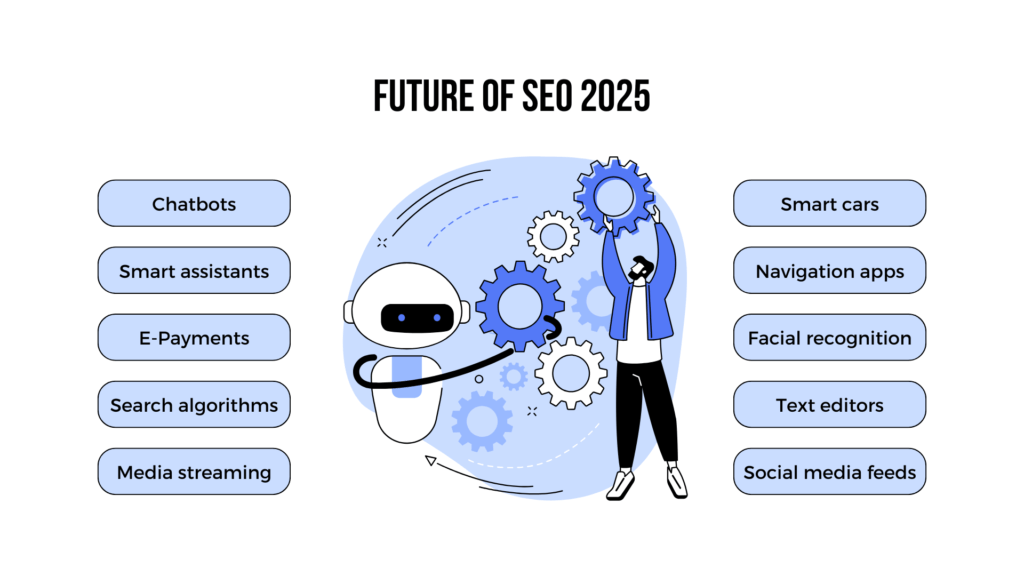
The digital realm is in constant flux, and the field of Search Engine Optimization (SEO) is no exception. As we approach 2025, a new era of SEO is dawning, shaped by the pervasive influence of artificial intelligence (AI) and evolving user behaviors. This article, informed by insights from Search Engine Journal’s “SEO Trends 2025” ebook, explores the key trends and strategies that will define the future of SEO.
The Challenge of Declining Organic Traffic
A significant challenge facing SEO professionals is the decline in organic traffic. Several factors contribute to this trend, including:
- The Rise of Zero-Click Searches: Search engines are increasingly providing answers directly on the Search Engine Results Page (SERP), reducing the need for users to click through to websites. This is driven in part by platforms scraping content and presenting it as a direct answer, often without proper attribution or compensation.
- Content Theft Concerns: The sources raise concerns about search platforms, particularly Google, scraping content from websites and republishing it on the SERP without proper attribution or remuneration. This practice, likened to “content theft,” is seen as detrimental to the open web and creators’ rights.
- Domination of Paid and Zero-Click Results: The SERP is becoming increasingly dominated by paid advertisements and zero-click features, pushing organic results further down the page, making it harder for websites to gain visibility.
These factors are forcing SEO professionals to re-evaluate traditional strategies that relied heavily on driving traffic through organic search rankings.
AI: Disruptor and Enabler
While AI presents challenges to traditional SEO approaches, it also offers significant opportunities for innovation and optimization. The sources highlight the multifaceted impact of AI on SEO, including:
- Influence on Search Algorithms: AI is playing an increasingly central role in search algorithms, determining how content is ranked and displayed in search results. Understanding how AI interprets and ranks content is crucial for SEO success.
- Content Creation Assistance: AI-powered tools are emerging as valuable aids in content generation, enabling the creation of various content formats, from blog posts to social media updates. However, the sources caution against relying solely on AI-generated content, emphasizing the importance of human expertise and creativity.
- Streamlining SEO with Automation: AI-driven tools are transforming SEO workflows by automating tasks such as keyword research, competitor analysis, technical SEO audits, and content optimization. This automation enhances efficiency, reduces manual effort, and allows SEO professionals to focus on more strategic initiatives. Figure 2 illustrates some of the benefits of SEO automation:
- Evolution of User Experience Metrics: Search engines continually refine user experience metrics to assess how users interact with websites. The introduction of Interaction to Next Paint (INP) as a Core Web Vital metric highlights the importance of optimizing for real user experiences.
Adapting to the New Normal: Strategic Shifts in SEO
To thrive in the evolving SEO landscape, professionals need to adapt their strategies, embracing new approaches and technologies. The sources recommend several key shifts:
1. Diversifying Traffic Sources:
Relying solely on Google for website traffic is no longer a viable strategy. SEO professionals must explore and leverage alternative search engines, social media platforms, email marketing, and other relevant channels to reach their target audience.
2. Prioritizing User Intent:
Understanding and catering to user intent is more critical than ever in an AI-driven search environment. SEO professionals should focus on creating content that addresses specific user needs, provides valuable information, and offers a comprehensive experience that goes beyond simply answering surface-level questions.
3. Building Brand Authority and Recognition:
Establishing a strong brand presence can help attract users directly, reducing reliance on search engine rankings. This involves cultivating brand identity, creating engaging content that resonates with the target audience, and fostering a loyal online community.
4. Embracing AI Tools and Technologies:
SEO professionals should become proficient in using AI-powered tools to streamline workflows and enhance their strategies. This includes utilizing AI for tasks like keyword research, competitor analysis, content optimization, and technical SEO audits.
5. Fostering Cross-Channel Marketing Collaboration:
SEO is no longer an isolated discipline; it needs to be integrated with other marketing efforts for a cohesive and effective strategy. SEO professionals should collaborate with other marketing teams, including brand marketing, social media, and content marketing, to ensure alignment and maximize reach.
Future-Proofing SEO: Embracing a Holistic Approach
The future of SEO demands a holistic approach that goes beyond traditional keyword-focused strategies. SEO professionals must:
- Stay Informed: Continuous learning is crucial in the ever-evolving digital landscape. Staying abreast of emerging technologies, trends, and search engine updates will be essential for adapting strategies and maintaining a competitive edge.
- Expand the Definition of SEO: SEO is no longer limited to optimizing for a few major search engines. It now encompasses understanding and leveraging various platforms and channels where users seek information, including social media platforms, AI-powered search engines, and even industry-specific aggregators.
- Focus on User-Centric, High-Quality Content: Creating high-quality, valuable, and engaging content that caters to user needs remains paramount. This content should go beyond surface-level information, offering in-depth insights, unique perspectives, and authentic human experiences that differentiate it from AI-generated content.
Conclusion: Navigating the Uncertain Terrain
The future of SEO is marked by both challenges and opportunities. While the declining organic traffic and increasing influence of AI disrupt traditional approaches, they also pave the way for innovation and new possibilities. SEO professionals who embrace a holistic approach, prioritizing user-centricity, diversifying strategies, and leveraging AI-powered tools, will be well-equipped to navigate this dynamic landscape and drive success in the years to come.
If you want to learn more: https://www.searchenginejournal.com/seo-trends/
FAQs about SEO in 2025
Q: Is SEO dead?
A: No, SEO is not dead, but it is undergoing significant changes. The traditional approach of focusing solely on keyword optimization and Google rankings is becoming less effective due to factors such as zero-click searches, content scraping by search engines, and the increasing dominance of paid results. However, SEO is evolving to encompass a broader range of strategies and platforms.
Q: How is AI impacting SEO?
A: AI is both a challenge and an opportunity for SEO. AI is being used by search engines to refine algorithms, understand user intent, and deliver more personalized results. This can make it more difficult for websites to rank organically, as AI-powered features often provide answers directly on the SERP, reducing the need for users to click through to websites. However, SEO professionals can also leverage AI-powered tools to automate tasks, analyze data, and optimize content more effectively.
Q: What are the most important SEO trends to watch in 2025?
A: Several key trends are shaping the future of SEO:
- Declining organic traffic and the need to diversify traffic sources.
- The growing influence of AI on search algorithms, content creation, and SEO automation.
- The importance of building brand authority and creating content that resonates with users.
- The need to understand and optimize for user experience, including Core Web Vitals.
- The expansion of SEO beyond Google to encompass other platforms and channels, including social media, AI-powered search engines, and industry-specific aggregators.
Q: What skills do SEO professionals need to develop for 2025?
A: To succeed in the evolving SEO landscape, professionals need to:
- Become proficient in using AI-powered SEO tools for tasks like keyword research, content optimization, and technical SEO audits.
- Understand the impact of AI on search algorithms and how to create content that stands out from AI-generated material.
- Develop a strong understanding of user intent and how to create content that meets user needs.
- Build skills in brand marketing and content strategy to create engaging and authoritative content.
- Collaborate effectively with other marketing teams to integrate SEO into a broader marketing strategy.
Q: What is the future of SEO?
A: The future of SEO is likely to be characterized by continued disruption and innovation. The sources suggest that SEO professionals will need to be adaptable, embrace new technologies, and constantly learn to stay ahead of the curve. The focus will shift from keyword-driven optimization to a more holistic approach that encompasses user experience, brand building, content strategy, and a deep understanding of how AI is shaping the search landscape. The role of SEO is expanding to include a wider range of platforms and channels, and SEO professionals will need to develop the skills and knowledge to navigate this increasingly complex environment.
Q: How can I stay up to date on the latest SEO trends?
A: The sources recommend several ways to stay informed about SEO trends:
- Subscribe to industry publications and newsletters, such as Search Engine Journal.
- Attend industry conferences and events. (This suggestion is not directly from the sources but is a common way to stay updated in any field.)
- Engage in online communities and forums where SEO professionals share insights and discuss trends. (Not directly from the sources but is a common way to stay updated in any field.)
- Follow thought leaders and experts in the SEO industry. (Not directly from the sources but is a common way to stay updated in any field.)