
In today’s digital landscape, the success of a travel agency website or business largely depends on its online visibility. With countless travelers turning to search engines to plan their trips, implementing robust SEO strategies becomes paramount for travel agency websites to thrive. By harnessing the power of Search Engine Optimization (SEO), travel agencies can elevate their online presence, attract more potential customers, and ultimately boost bookings and revenue.
Why Do Travel Companies Require Travel SEO?
Travel agencies operate in a highly competitive market where visibility and accessibility play pivotal roles. With SEO for travel companies, these businesses can enhance their visibility on search engines, ensuring they appear prominently when travelers seek information about destinations, accommodations, or travel services.

Optimizing Travel Agency Websites with Effective SEO Strategies -Travel SEO Tips
Effective Travel SEO Tips can significantly amplify a travel agency’s online presence and outreach. Starting with thorough keyword research tailored to the travel industry, focusing on long-tail keywords specific to destinations, services, and unique offerings, lays the foundation for targeted optimization. Strategic placement of these keywords within engaging, informative content, meta descriptions, headers, and URLs is key to organic integration.
Local landing pages designed to highlight destination-specific attractions, tours, and services help capture the interest of potential travelers, while structured data implementation enhances visibility in search engine results. Keeping Google Business profiles updated and applying event schema for promotions or events further boosts discoverability. Regular audits to address technical SEO issues, coupled with reputation management through monitoring and responding to reviews, round out a comprehensive approach to successful travel SEO.
Research Your Keywords
Start by identifying relevant keywords that resonate with your target audience’s search intent. Focus on long-tail keywords specific to travel, destinations, services, and unique offerings your agency provides.
How to get started?
- Conduct comprehensive keyword research specific to the travel industry.
- Focus on long-tail keywords related to destinations, services, and unique offerings.
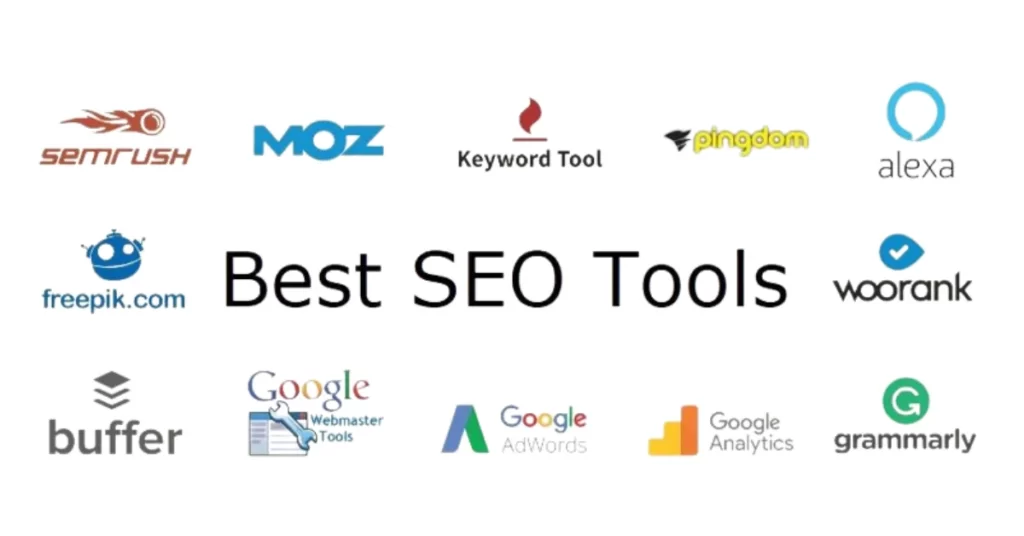
- Utilize tools like Google Keyword Planner, SEMrush, or Ahrefs for insights into search volume and competition.
Utilize Your Keywords Strategically
Integrate selected keywords organically within your website’s content, meta descriptions, headers, and URLs. Craft engaging, informative content while ensuring a seamless incorporation of these keywords.
How to get started?
- Integrate chosen keywords organically within your website’s content, headers, meta descriptions, and URLs.
- Craft engaging, informative content around these keywords, ensuring natural incorporation without keyword stuffing.
- Optimize title tags and meta descriptions to entice clicks and improve search engine rankings.
Create Local Landing Pages for local SEO
Craft location-specific landing pages optimized for local SEO. Highlight attractions, tours, and travel services unique to each destination, catering to the interests and needs of travelers.
How to get started?
- Develop location-specific landing pages optimized for local SEO of your web pages.
- Highlight attractions, tours, and travel services unique to each destination.
- Ensure clear and concise information catering to travelers’ interests and needs for each location.
Implement Structured Data for your website
Utilize structured data markup to enhance the visibility of your website’s information in search engine results. This helps search engines better understand and display your content, potentially increasing click-through rates.
How to get started?
- Utilize structured data markup (Schema.org) to enhance search engine understanding of your content.
- Implement schema markup for reviews, FAQs, events, and other relevant information to appear in rich snippets.
Update Your Google Business Profile
Maintain an updated and detailed Google My Business profile. This improves local search visibility, provides essential information to potential customers, and facilitates interaction with your agency.
How to get started?
- Maintain an updated and detailed Google My Business profile.
- Ensure accurate business information, such as location, hours, contact details, and services offered.
- Encourage and respond to customer reviews to enhance credibility and engagement.
Apply Event Schema
For events or promotions, implement event schema markup to showcase time-sensitive information directly in search results, enticing users to engage with your agency.
How to get started?
- Implement event schema markup for promotions, special offers, or upcoming events.
- Display time-sensitive information directly in search results, attracting users’ attention and encouraging engagement.
Audit Your Current Presence
Regularly audit your website for technical SEO issues, assess content quality, and ensure alignment with current SEO best practices.
How to get started?
- Regularly conduct website audits to identify and rectify technical SEO issues.
- Assess content quality, mobile-friendliness, page speed, and user experience.
- Ensure compliance with current SEO best practices and algorithm updates.
Maintain Your Reputation
Monitor and manage online reviews and testimonials. Positive feedback can significantly influence potential travelers’ decisions.
How to get started?
- Monitor and manage online reviews and testimonials.
- Promptly respond to feedback to showcase excellent customer service and address any concerns publicly.
Create Quality Content
Produce informative and engaging content such as travel guides, blog posts, and destination reviews. Quality content not only attracts visitors but also encourages sharing and backlinking.
How to get started?
- Produce high-quality, informative content such as travel guides, blog posts, and destination reviews.
- Focus on engaging storytelling, providing value, and solving travelers’ queries
Optimize Your Site Frequently for Improvements
Continuously optimize your website by analyzing performance metrics, user behavior, and search engine algorithms. Implement changes to enhance user experience and stay ahead in rankings.
How to get started?
- Continuously analyze website performance metrics and user behavior.
- Implement changes to improve user experience, optimize load times, and stay aligned with SEO best practices.
Track Your Analytics
Utilize analytics tools to track website traffic, user behavior, and conversion rates. Use these insights to refine your SEO strategies and improve results.
How to get started?
- Utilize tools like Google Analytics to track website traffic, user behavior, and conversion rates.
- Leverage data insights to refine SEO strategies and improve overall performance.
Prioritize Link Building
Focus on acquiring quality backlinks from reputable travel-related websites. High-quality inbound links strengthen your website’s authority and credibility.
How to get started?
- Focus on acquiring high-quality backlinks from authoritative travel-related websites.
- Engage in outreach, guest posting, or collaborations to strengthen your website’s authority.
Optimize Your Images on travel agency website
Compress images for faster loading times, add descriptive alt text, and utilize appropriate filenames. Optimized images contribute to a better user experience and can appear in image search results.
How to get started?
- Compress images to optimize loading times without compromising quality.
- Include descriptive alt text and relevant filenames to improve accessibility and search engine indexing.
Make Use of Social Media to boost travel agency website
Leverage social media platforms to engage with your audience, share valuable content, and drive traffic to your website. Social signals can also indirectly impact SEO.
How to get started?
- Leverage social media platforms to engage with your audience and share valuable travel content.
- Utilize social signals to indirectly impact SEO by driving traffic and enhancing brand visibility.
FAQ
What does SEO in travel mean?
SEO in travel refers to the practice of optimizing a travel agency’s online presence to improve its visibility in search engine results, thereby attracting more organic traffic and potential customers.
Why is SEO significant to the tourism sector?
SEO is crucial for the tourism sector as it helps travel agencies reach their target audience effectively, increase brand visibility, drive website traffic, and ultimately boost bookings and revenue.
How can I use SEO for a travel agency website?
Utilize SEO strategies for travel agency websites such as keyword research, content optimization, local SEO tactics, structured data implementation, and consistent performance tracking to enhance your travel agency’s online visibility and attract more travelers.
By implementing these comprehensive SEO strategies, travel agencies can establish a stronger online presence, effectively reach their target audience, and stay ahead in the highly competitive travel industry.
Ready to propel your travel agency to new heights? Wajahat Writes offers the best SEO services and can help you to Implement these proven Travel SEO Tips to harness the immense potential of online visibility. Maximize your agency’s reach, captivate your audience with compelling content, and ensure your services stand out amidst the digital travel landscape. Embrace the power of SEO to attract more travelers, increase bookings, and foster long-term success for your agency. Start optimizing your online presence now and embark on a journey to amplify your agency’s impact in the travel industry!