
As we approach the end of the year and compile our goals for 2025, consider including the acquisition of pertinent tech skills on your list. In a digitally advancing world with a continuously evolving technology landscape, it is crucial to develop the appropriate tech skills.
Whether you are a newcomer or a seasoned professional, arming yourself with tech skills relevant to your career can significantly distinguish you from your colleagues. Rather than harboring resentment towards AI and the rapid pace of digital evolution, why not harness their potential to secure more exciting opportunities?
Machine Learning
In the era of artificial intelligence, machine learning stands out as a crucial skill. Companies are increasingly relying on machine learning algorithms for data analysis, pattern recognition, and decision-making. Mastering frameworks like TensorFlow and PyTorch will set you apart in this competitive field.
A variety of online courses are accessible, with some being free, facilitating the acquisition of essential knowledge and skills in this ever-evolving field.
How to Learn
- Google provides a range of courses in AI and ML, including a crash course in ML.
- Colleges, universities, and online training platforms offer diverse AI and ML trainings.

Photo credit :credosystemz
Blockchain
Blockchain technology continues to disrupt industries, offering unparalleled security and transparency. Acquiring proficiency in blockchain development will open doors to exciting opportunities, especially in sectors like finance, healthcare, and supply chain management.
The decentralized structure of blockchain enhances its security, as altering a transaction necessitates the consensus of a majority of nodes. Blockchain’s applications go well beyond cryptocurrencies.
- Enroll in online courses and certifications for blockchain development programs.
- Consider participating in intensive bootcamps dedicated to hands-on blockchain development learning.
- Contribute to open-source blockchain projects on platforms like GitHub to gain practical experience.
Cybersecurity
As our digital footprint expands, so do the threats. Cybersecurity is a non-negotiable skill in 2025. A thorough understanding of network security, ethical hacking, and incident response will make you an invaluable asset to any organization.
How to learn
- Begin with foundational knowledge: Familiarize yourself with basic computer networks, operating systems, and protocols.
- Study cybersecurity fundamentals: Understand key concepts such as encryption, firewalls, and malware detection.
- Take online courses: Explore reputable platforms offering cybersecurity courses, covering topics like ethical hacking, network security, and incident response.
- Obtain relevant certifications: Pursue certifications such as CompTIA Security+, Certified Information Systems Security Professional (CISSP), or Certified Ethical Hacker (CEH) to validate your skills.
- Practice hands-on: Set up a home lab or use virtual environments to practice cybersecurity skills in a safe and controlled environment.
Digital Marketing
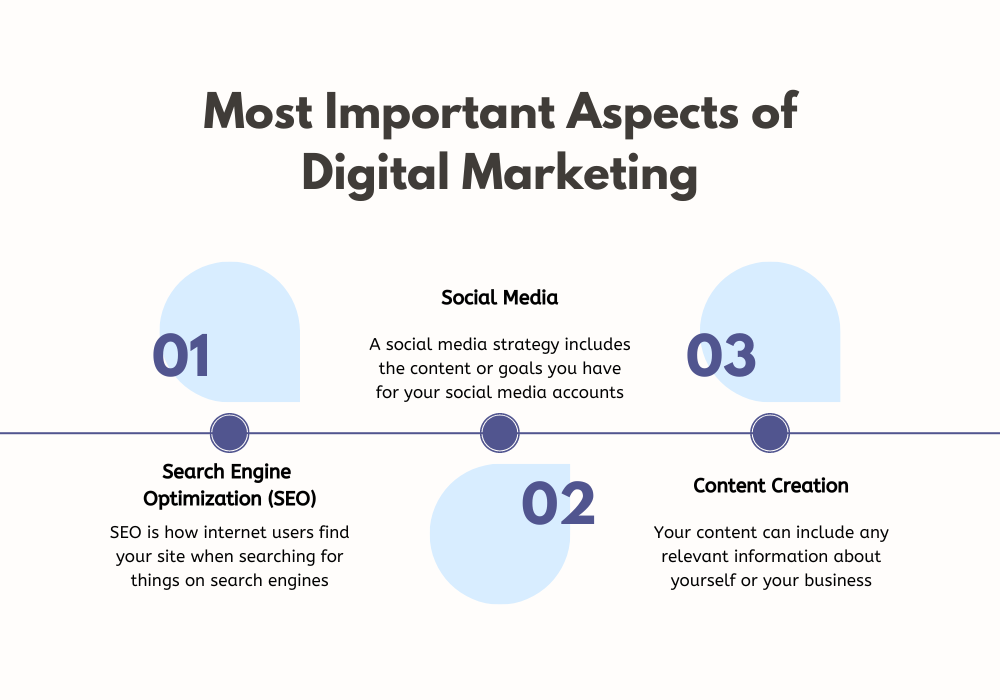
In the digital age, technical skills alone are not enough. A digital marketing skill set is crucial for promoting products and services in the online realm. Understanding SEO, social media marketing, and content strategy will ensure your tech expertise reaches its full potential.
How to Learn
- Enroll in a top-rated online digital marketing course encompassing SEO, social media marketing, and paid advertising.
- Begin with online resources, blogs, and YouTube channels for foundational knowledge.
- Obtain certifications from reputable organizations such as Google (Google Ads, Analytics), HubSpot, or Facebook Blueprint.
- Apply concepts practically by creating your own blog or website.
- Gain hands-on experience through internships or freelance projects in the field of digital marketing.

Blogging
Communicating your tech insights effectively is an art, and blogging is the canvas. Sharpen your writing skills to convey complex concepts in an accessible way. Regularly publishing insightful tech blogs not only showcases your expertise but also boosts your online presence.
- Start with a Blogging Basics Course: Enroll in online courses or tutorials that cover fundamental blogging concepts, such as content creation, platform usage, and audience engagement.
- Explore Blogging Platforms: Familiarize yourself with popular blogging platforms like WordPress, Blogger, or Medium. Learn how to create, customize, and publish content on these platforms.
- Understand SEO Principles: Study Search Engine Optimization (SEO) to enhance your blog’s visibility on search engines. Learn about keywords, meta tags, and other SEO best practices.
- Create Quality Content: Focus on producing valuable and engaging content. Learn about effective writing, formatting, and multimedia integration to capture and retain your audience’s attention.
Full-stack Developer
Versatility is key in the tech world. Being a full-stack developer ensures you’re adept at both frontend and backend technologies. Whether it’s creating seamless user interfaces or optimizing server performance, a full-stack developer is an indispensable asset.
- Understanding of Front-End Technologies: Develop proficiency in HTML, CSS, and JavaScript for creating visually appealing and interactive user interfaces.
- Back-End Development Skills: Master server-side languages like Node.js, Python, Ruby, or Java to handle business logic, databases, and server operations.
- Database Management: Acquire knowledge of databases such as MySQL, MongoDB, or PostgreSQL for efficient data storage and retrieval.
- Version Control Systems: Learn to use version control tools like Git to manage and track changes in code collaboratively.
Benefits of learning tech skills
- Opens up a wide range of job opportunities in the tech industry.
- Tech skills are in high demand across various sectors.
- Possessing tech skills often leads to higher earning potential.
- Tech professionals are often well-compensated for their expertise.
- Many tech jobs offer the flexibility of remote work.
- Remote work can lead to a better work-life balance.
- Enhances problem-solving, creativity, and adaptability.
- In a tech-driven world, possessing relevant skills enhances job security.
- Continuous demand for tech professionals contributes to career stability.