Search Engine Optimization (SEO) is a multifaceted digital marketing strategy aimed at enhancing a website’s visibility in search engine results pages (SERPs). By employing various techniques, businesses can attract organic traffic, improve user experience, and ultimately increase conversions. This blog post will delve into essential aspects of SEO, including keyword research, on-page optimization, technical SEO, local strategies, content marketing, social media integration, and analytics.
SEO for Website Design Projects
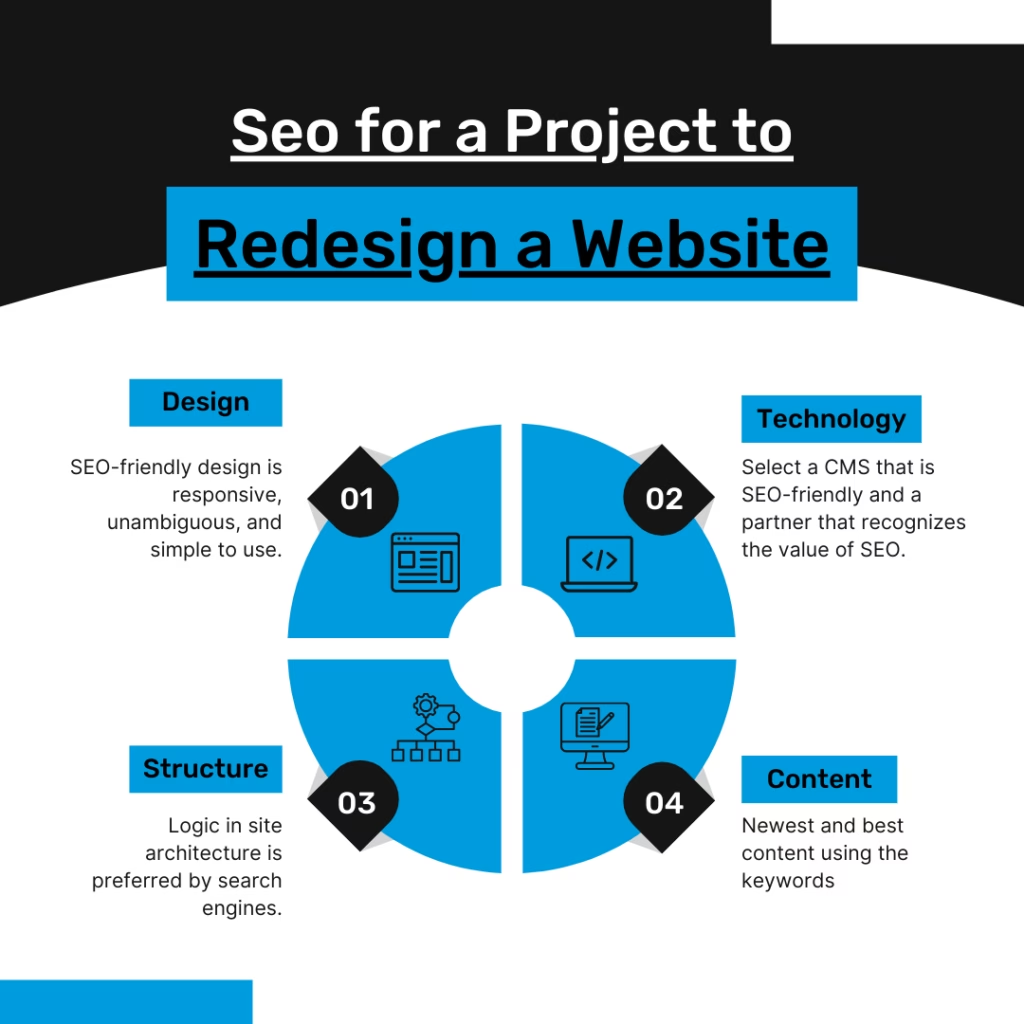
Incorporating SEO into the design of a website is essential for ensuring that it not only looks appealing but also performs well in search engine rankings. A well-structured site begins with selecting appropriate web technologies, such as user-friendly content management systems (CMS) that facilitate search engine optimization.
The architecture of the website should be logical and intuitive, allowing both users and search engines to navigate easily. Key elements to focus on include mobile responsiveness, as a significant portion of web traffic comes from mobile devices, and site speed, which impacts user experience and search rankings. Additionally, utilizing clean, descriptive URLs and implementing schema markup can enhance visibility in search results.
By prioritizing these SEO best practices during the design phase, businesses can create a website that attracts organic traffic, improves user engagement, and ultimately drives conversions.
Keyword Research Techniques
1. Tools and Methods for Effective Keyword Research
Keyword research is the foundation of SEO. It involves identifying the terms and phrases that potential customers use when searching for products or services. Various tools can assist in this process:
- Google Keyword Planner: A free tool that provides keyword ideas and search volume data.
- Ahrefs: Offers extensive keyword data and competitive analysis.
- SEMrush: Provides insights into competitors’ keywords and their performance.
2. Significance of Long-Tail Keywords
Long-tail keywords are phrases typically consisting of three to five words that target specific search intents. They are less competitive than short-tail keywords and often lead to higher conversion rates due to their specificity. For instance, instead of targeting “shoes,” a long-tail keyword would be “best running shoes for flat feet”. Long-tail keywords cater to users who are closer to making a purchase decision.
3. Analyzing Search Intent
Understanding search intent is crucial for effective keyword selection. Search intent can be categorized into four types:
- Informational: Users seek information (e.g., “how to tie a tie”).
- Navigational: Users look for a specific website (e.g., “Facebook login”).
- Transactional: Users intend to make a purchase (e.g., “buy running shoes online”).
- Commercial Investigation: Users compare products before buying (e.g., “best smartphones 2025”).
Aligning content with the appropriate search intent enhances relevance and improves rankings.
On-Page SEO Best Practices
1. Optimizing Title Tags
Title tags should be concise (50-60 characters) and include primary keywords near the beginning. A compelling title can significantly improve click-through rates (CTR).
2. Writing Effective Meta Descriptions
Meta descriptions should summarize the content of the page in 150-160 characters and include relevant keywords. A well-crafted meta description can entice users to click on your link over others in SERPs.
3. Use of Headers for Structuring Content
Using headers (H1, H2, H3) helps structure content for better readability and SEO. The H1 tag should contain the main keyword, while H2s and H3s can include secondary keywords to support the content hierarchy.
4. Internal Linking Strategies
Internal linking connects related pages within your website, improving navigation and distributing page authority. Aim to link from high-authority pages to those needing more visibility.
Technical SEO
1. Importance of Site Speed
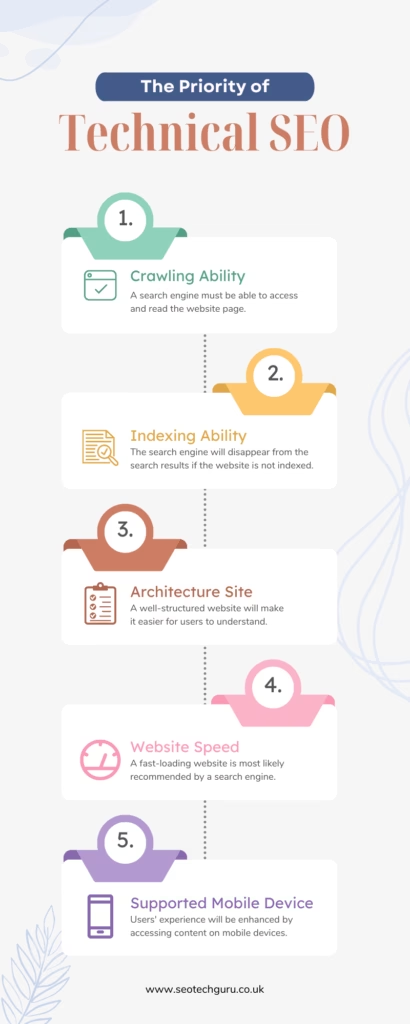
Site speed is critical for user experience and SEO rankings. A faster site reduces bounce rates and improves user satisfaction.
2. Mobile-Friendliness
With an increasing number of users accessing websites via mobile devices, responsive design is essential for maintaining usability across different screen sizes.
3. Structured Data (Schema Markup)
Implementing structured data helps search engines understand your content better, potentially leading to enhanced visibility in rich snippets.
4. XML Sitemaps
An XML sitemap is crucial for helping search engines crawl your site effectively. It provides a roadmap of your website’s structure and ensures all pages are indexed.
Local SEO Strategies
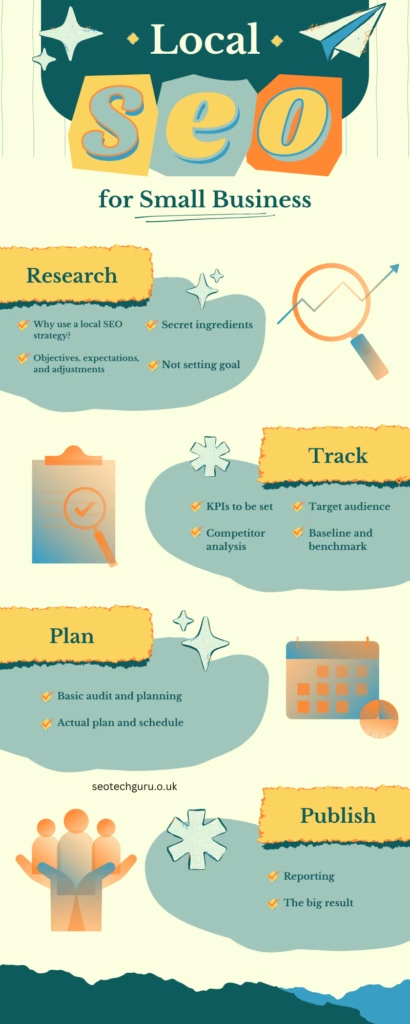
1. Google My Business Optimization
Claiming and optimizing your Google My Business listing is vital for local SEO success. Ensure that your business information is accurate and complete.
2. Importance of Local Citations
Local citations—mentions of your business name, address, and phone number (NAP)—on other websites enhance credibility and influence local rankings.
3. NAP Consistency
Maintaining consistent NAP information across various platforms is crucial for local SEO effectiveness. Inconsistencies can confuse search engines and harm rankings.
The Rise of Voice Search: Importance and Optimization Strategies
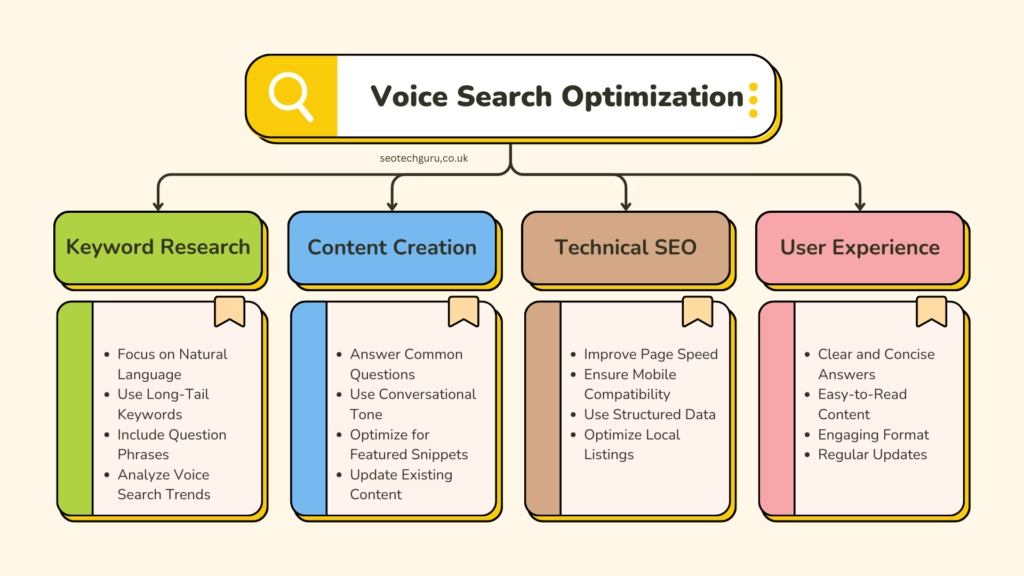
Voice search has emerged as a transformative technology in the realm of digital interactions, allowing users to conduct searches using voice commands instead of typing. This process begins with the device’s microphone capturing spoken words, which are then converted into text through automatic speech recognition (ASR). The system analyzes this text to understand the user’s intent, often employing natural language processing (NLP) to interpret conversational queries accurately.
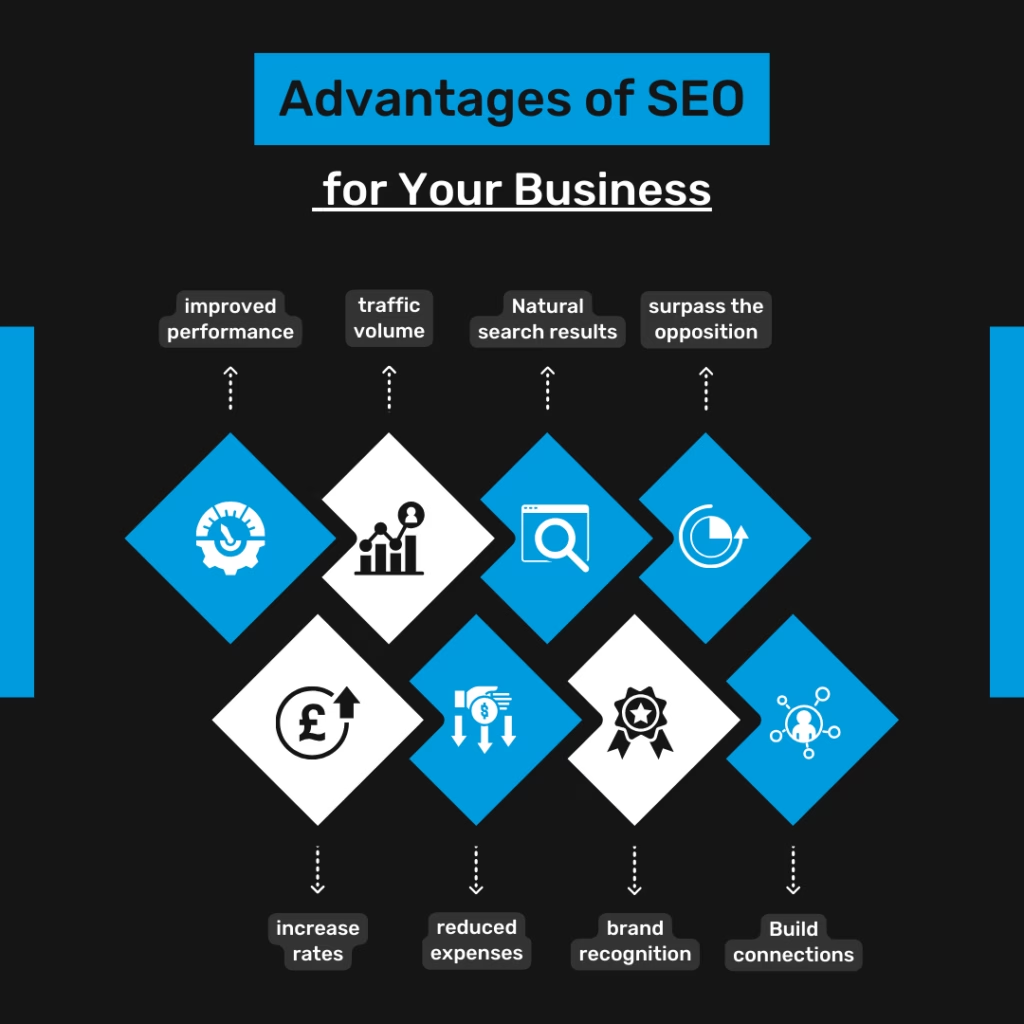
The significance of voice search lies in its growing popularity; with millions of users relying on voice-activated assistants like Siri, Alexa, and Google Assistant, optimizing for voice search is essential for businesses aiming to enhance their online visibility. This optimization involves focusing on natural language queries and long-tail keywords, as voice searches tend to be more conversational and specific compared to traditional typed searches.
As user behavior shifts towards voice interactions, adapting SEO strategies to include voice search considerations can greatly improve a website’s relevance and accessibility in an increasingly competitive digital landscape.
Content Marketing and SEO

1. High-Quality Content Creation
Creating valuable content that addresses user needs is essential for SEO success. High-quality content attracts backlinks, which improve domain authority.
2. Strategies for Shareable Content
To create shareable content:
- Use engaging visuals.
- Incorporate storytelling elements.
- Provide actionable insights or tips.
These strategies encourage users to share your content, increasing visibility and potential backlinks
3. User Engagement Metrics
Monitoring metrics such as bounce rate, time on page, and social shares helps assess content effectiveness and informs future strategies.
Social Media and Search Engine Optimization (SEO)
A robust social media presence enhances SEO by increasing visibility and driving referral traffic to your website. While social signals are not direct ranking factors, they contribute to brand awareness and engagement.
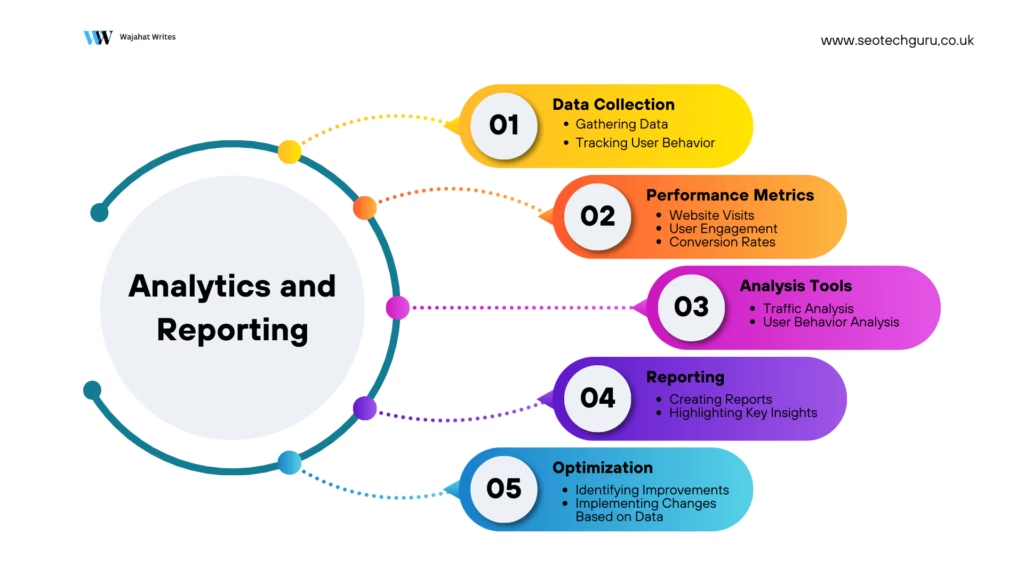
SEO Analytics and Metrics
1. Tracking Performance with Tools
Tools like Google Analytics and Google Search Console are essential for tracking search engine optimization performance. They provide insights into traffic sources, user behavior, and site errors.
2. Key Metrics to Monitor
Important metrics include:
- Organic Traffic: Indicates how many visitors arrive via search engines.
- Bounce Rate: Measures the percentage of visitors who leave after viewing only one page.
- Conversion Rate: Indicates the percentage of visitors who complete desired actions.
- Keyword Rankings: Tracks how well your keywords perform over time.
Interpreting this data allows for informed adjustments to your ongoing SEO strategy.
In conclusion, mastering SEO requires a comprehensive approach that encompasses keyword research, on-page optimization, technical aspects, local strategies, content marketing integration, social media engagement, and diligent tracking of analytics metrics. By implementing these strategies effectively, businesses can enhance their online presence and achieve sustainable growth in organic traffic over time.