Google Dance, a term coined in the early days of search engine optimization, refers to the erratic fluctuations in search engine rankings experienced by websites during Google’s index updates. It’s not a literal dance but a significant phenomenon that impacts website visibility on search engine results pages (SERPs). Understanding this dance is crucial for website owners and SEO specialists alike.
Introduction to Google Dance
Initially, Google’s algorithm updated monthly, causing major fluctuations in website rankings during this period. These updates led to the term “Google Dance.” The dance involved three main phases: the Freshbot Crawl, Backfilling, and the Deep Crawl.
Phases of Google Dance
The Freshbot Crawl marked the start, where Google’s Freshbot crawled and indexed new content. Backfilling followed, where the new index replaced the old, causing fluctuations. The final phase, the Deep Crawl, ensured a comprehensive indexing of the web.
Reasons Behind Google Dance
Several factors trigger Google Dance, including algorithm updates, changes in indexing processes, and server updates. These changes influence how Google ranks websites, causing fluctuations.
Impact on Website Rankings
During Google Dance, websites experience unpredictable shifts in SERP rankings. This volatility can affect organic traffic, necessitating strategies to navigate these fluctuations effectively.
Google Dance in the SEO World
SEO professionals monitor and adapt to Google Dance by staying updated on algorithm changes and employing agile optimization strategies. The ability to adapt is fundamental in mitigating negative impacts.
Tools to Monitor Google Dance
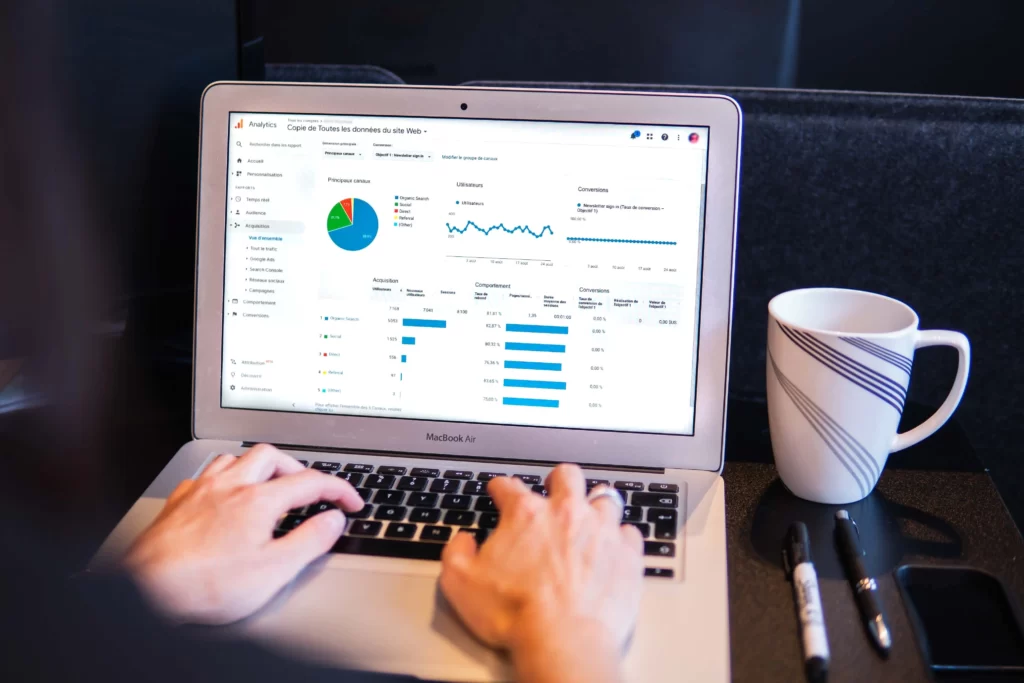
Various tracking tools and analytics platforms help monitor fluctuations, providing insights to adjust SEO strategies accordingly.
Preventing Negative Impacts of Google Dance
Website owners can minimize the impact of Google Dance by maintaining high-quality, relevant content, ensuring consistent site performance, and implementing best SEO practices.
Case Studies on Google Dance Effects
Examining real-life cases where Google Dance affected website rankings offers valuable insights and lessons for SEO practitioners.
Adaptability as a Key in SEO
The ever-evolving nature of search algorithms emphasizes the importance of adaptive SEO strategies. Agility ensures resilience against Google Dance effects.
Conclusion
In the dynamic landscape of SEO, understanding and navigating Google Dance is pivotal. Adapting to these fluctuations is essential for maintaining strong online visibility and staying ahead in the competitive digital sphere.
FAQs
How long does Google Dance typically last?
Google Dance durations can vary. Previously, they occurred over a few days to weeks during major algorithm updates. However, with Google’s continuous tweaking and real-time adjustments, the duration has reduced considerably. Nowadays, minor fluctuations may resolve within a day or two, while more significant changes might take a week or more to stabilize.
Can Google Dance negatively impact website traffic permanently?
Typically, Google Dance doesn’t cause permanent damage to website traffic. While fluctuations might affect visibility temporarily, they seldom result in lasting negative impacts. Websites usually regain their rankings once the dance settles, especially if the content and SEO strategies are strong and aligned with Google’s guidelines.
Are there any warning signs before a Google Dance occurs?
Predicting the exact timing of a Google Dance is challenging. However, some signs indicate potential fluctuations, such as chatter within the SEO community about algorithm changes, irregularities in ranking positions, or noticeable shifts in organic traffic. Keeping an eye on these indicators can offer some foresight.
What steps can website owners take to recover from the impact of Google Dance?
Recovering from the effects of Google Dance involves ensuring the website’s content is high-quality, relevant, and aligns with SEO best practices. Additionally, monitoring analytics and tracking tools to understand the changes and adjust strategies accordingly is crucial. Patience and consistent efforts in maintaining and improving content and SEO practices are key to recovery.
Is Google Dance still relevant in today’s SEO landscape?
While the term “Google Dance” might not be as commonly used today, the concept of fluctuations in search rankings remains relevant. Google continually refines its algorithms, causing fluctuations that impact website rankings. Hence, staying adaptive, monitoring changes, and employing agile SEO strategies are still vital in the current SEO landscape.