In the ever-evolving landscape of digital entrepreneurship, establishing a thriving online presence is not just advantageous—it’s essential for sustained success. Whether you’re a burgeoning startup or a seasoned entrepreneur, navigating the complexities of online business growth requires a strategic approach. In this comprehensive guide, we’ll unveil the four fundamental steps to propel your online business to new heights.
Step 1: Understand Your Audience
At the core of every successful online business lies a deep understanding of its target audience. Take the time to conduct thorough market research and audience analysis to gain insights into their demographics, preferences, and pain points. By understanding who your customers are and what motivates them, you can tailor your products, services, and marketing strategies to meet their needs effectively.
Utilize tools like Google Analytics, social media insights, and customer surveys to gather valuable data about your audience. Pay attention to metrics such as age, gender, location, interests, and online behavior to create detailed customer personas. These personas will serve as guiding principles in crafting personalized content and experiences that resonate with your target audience.
Step 2: Craft Compelling Content
In the digital realm, content is king. To capture the attention of your audience and differentiate your brand from the competition, focus on creating high-quality, relevant, and engaging content across various channels. Whether it’s blog posts, videos, infographics, or social media updates, your content should provide value, solve problems, and evoke emotions that resonate with your audience.
Develop a content strategy that aligns with your business objectives and addresses the needs and interests of your target audience. Consistency is key—maintain a regular publishing schedule to keep your audience engaged and build trust and credibility over time. Additionally, leverage search engine optimization (SEO) techniques to optimize your content for relevant keywords and improve its visibility in search engine results.
Step 3: Optimize Your Online Presence
In today’s digital age, having a strong online presence is non-negotiable for business growth. Ensure that your website is user-friendly, mobile-responsive, and optimized for search engines to attract organic traffic and maximize conversions. Optimize your website’s on-page elements, including title tags, meta descriptions, headers, and image alt texts, to improve its visibility and relevance in search results.
Invest in search engine marketing (SEM) strategies such as pay-per-click (PPC) advertising to target specific keywords and drive targeted traffic to your website. Leverage social media platforms to engage with your audience, share valuable content, and build meaningful relationships with potential customers. Monitor your online reputation and actively manage customer reviews and feedback to enhance trust and credibility.
Step 4: Analyze and Iterate
Continuous improvement is essential for sustained online business growth. Regularly analyze key performance indicators (KPIs) such as website traffic, conversion rates, bounce rates, and social media engagement to measure the effectiveness of your strategies. Identify areas for improvement and experiment with new tactics and techniques to optimize your results.
Utilize data analytics tools and marketing automation software to track user behavior, segment your audience, and personalize your marketing efforts. A/B test different elements of your campaigns, such as ad creatives, landing pages, and email subject lines, to identify the most effective approaches. Stay informed about industry trends and changes in consumer behavior to adapt your strategies accordingly and stay ahead of the competition.
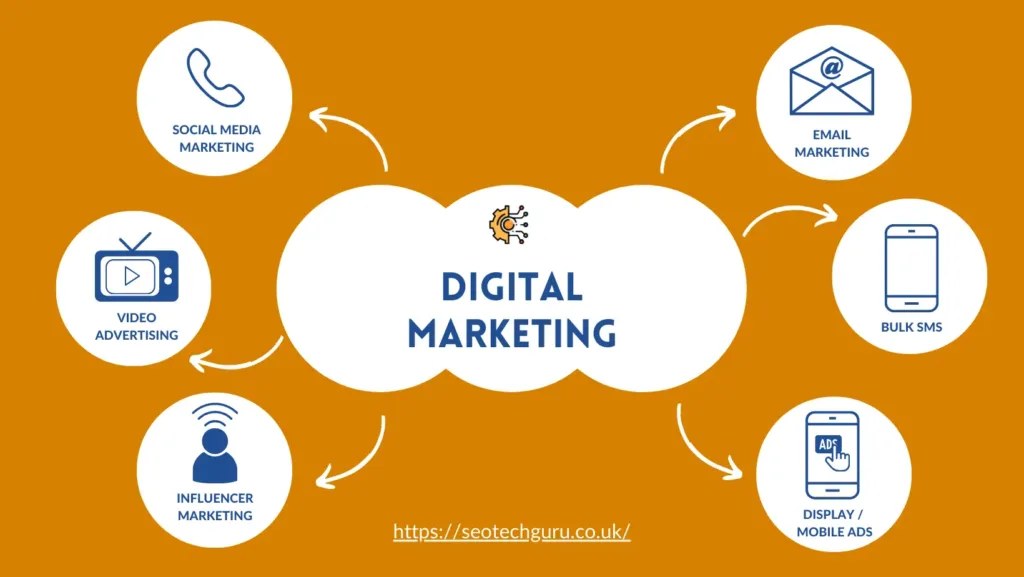
Essential Channels of Digital Marketing:
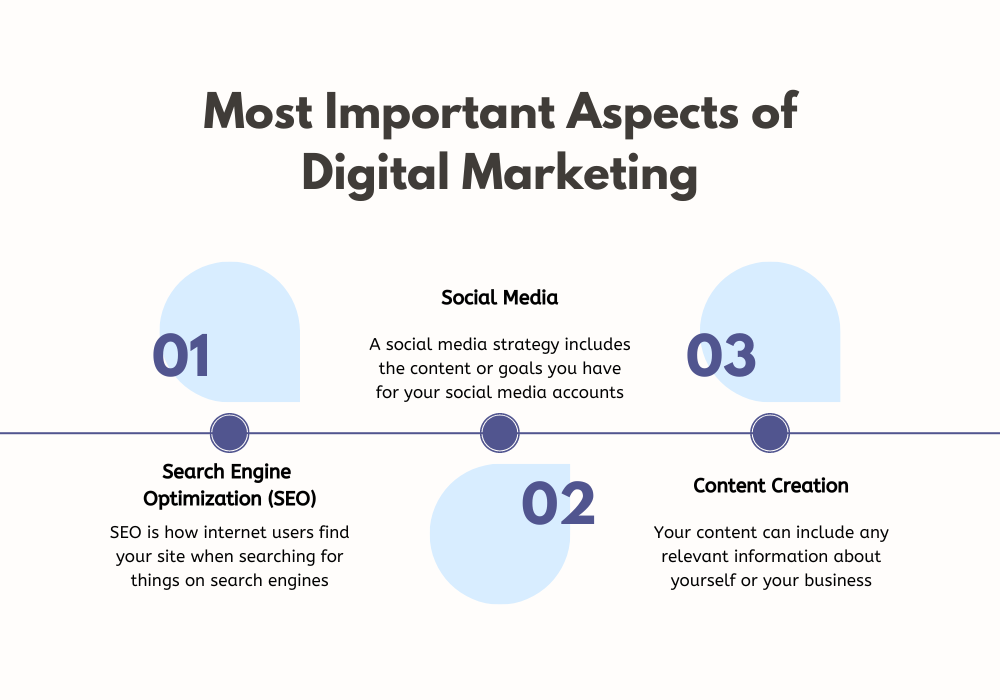
- Search Engine Optimization (SEO): Optimizing your website and content to rank higher in search engine results pages (SERPs) and attract organic traffic.
- Pay-Per-Click Advertising (PPC): Running targeted ads on search engines and social media platforms, paying only when users click on your ads.
- Social Media Marketing (SMM): Engaging with your audience on social media platforms like Facebook, Instagram, Twitter, LinkedIn, and TikTok to build brand awareness, drive traffic, and generate leads.
- Email Marketing: Sending targeted email campaigns to nurture leads, promote products or services, and maintain customer relationships.
- Content Marketing: Creating and distributing valuable, relevant, and consistent content to attract and retain a defined audience, ultimately driving profitable customer action.
- Influencer Marketing: Collaborating with influencers in your industry or niche to promote your products or services to their followers and expand your reach.
- Affiliate Marketing: Partnering with affiliates who promote your products or services in exchange for a commission on sales generated through their referral links.
- Video Marketing: Leveraging video content on platforms like YouTube, Vimeo, and social media to engage and connect with your audience in a more dynamic and visual way.
Best ROI Tracking Software:
In today’s competitive digital landscape, measuring the return on investment (ROI) of your marketing efforts is essential for maximizing profitability and driving sustainable growth. With the right ROI tracking software, you can gain valuable insights into the performance of your campaigns, identify areas for improvement, and make data-driven decisions to optimize your marketing strategies.
From web analytics platforms like Google Analytics to all-in-one marketing suites like HubSpot, there’s a wide range of tools available to help you track and measure the effectiveness of your digital marketing initiatives. These tools offer features such as customizable dashboards, real-time reporting, and advanced analytics capabilities, empowering you to accurately assess the impact of your marketing efforts on key metrics like website traffic, lead generation, and conversion rates.
By leveraging ROI tracking software, you can gain a deeper understanding of your audience, optimize your marketing channels and campaigns for maximum impact, and ultimately drive better results for your business. Whether you’re a small startup or a large enterprise, investing in the right tools to track and measure ROI is crucial for staying competitive in today’s digital economy. Below is the list of best tracking tools:
- 1. Google Analytics: Google Analytics is a powerful web analytics tool that provides insights into website traffic, user behavior, and conversion rates. It allows you to track and measure the performance of your digital marketing campaigns, analyze audience demographics, and optimize your marketing strategies for maximum ROI.
- 2. HubSpot: HubSpot offers a comprehensive suite of marketing, sales, and customer service tools, including robust analytics and reporting features. It enables you to track and measure the effectiveness of your marketing efforts across various channels, automate repetitive tasks, and optimize your campaigns for better results.
- 3. Adobe Analytics: Adobe Analytics is an advanced analytics solution that provides deep insights into customer behavior, engagement, and conversion paths across multiple digital channels. It offers customizable dashboards, real-time reporting, and predictive analytics capabilities to help you make data-driven decisions and improve ROI.
- 4. SEMrush: SEMrush is a versatile digital marketing toolkit that offers a range of SEO, PPC, content marketing, and social media tools. Its analytics features allow you to monitor keyword rankings, track competitors’ performance, and assess the ROI of your marketing campaigns.
- 5. Ahrefs: Ahrefs is a comprehensive SEO toolset that includes features for keyword research, backlink analysis, and rank tracking. Its reporting capabilities provide valuable insights into your website’s performance and help you identify opportunities for optimization and growth.
In conclusion, achieving sustainable online business growth requires a holistic approach that combines a deep understanding of your audience, compelling content creation, strategic optimization, and continuous analysis and iteration. By following these four essential steps, you can unlock the full potential of your online business and propel it to new heights of success in the digital era.